Noise complaint response and noise management plan
£595 plus VAT£714 including VAT
Our response to whoever complained, plus a plan covering doors and windows, smoking areas, bass levels and closing routines.

Home / Noise and sound limiters
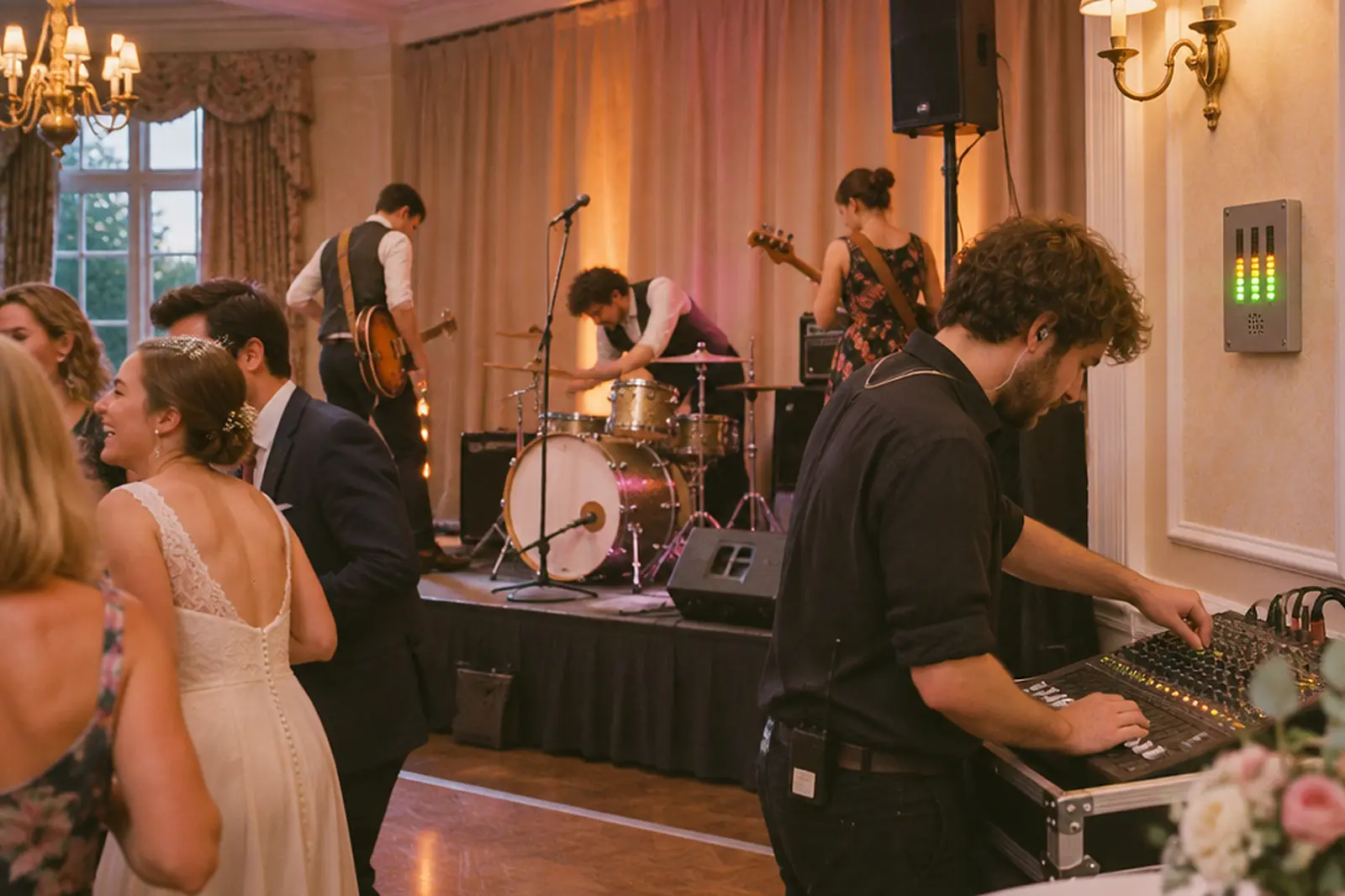
Noise is the most common reason a venue ends up before a licensing committee, and the most common source of rows between venues, bands and couples. We deal with both sides of it: the council and the neighbours, and the contracts on the night.
£595 plus VAT£714 including VAT
Our response to whoever complained, plus a plan covering doors and windows, smoking areas, bass levels and closing routines.
£245 plus VAT£294 including VAT
For a band or supplier cut off by a limiter, or a venue answering a complaint about one, built on the booking terms.
£295 plus VAT£354 including VAT
The limiter setting, the warning lights and the cut off rule written into terms that bands and couples sign.
Where a venue holds an on sales alcohol licence, live amplified music needs no licence between 8am and 11pm for audiences of up to 500. Recorded music is treated the same way. Conditions on the licence about music are suspended in those hours too, unless a review has put them back.
That freedom ends at 11pm, and it never covers statutory nuisance. A venue can be playing lawfully under its licence and still be served with an abatement notice if the noise unreasonably affects a neighbour's home.
Read the deadline on the notice. Breaching it is a criminal offence, and an appeal has to be lodged within 21 days of the notice being served. We can draft the noise management plan and the response to the council straight away. An appeal is court work, which a solicitor we instruct takes on, with their price agreed by you in advance.
Only where the premises licence, a planning condition or a noise abatement notice requires one, or where the venue has made it a term of hire. Many venues fit them by choice. Either way, the setting and what happens when it trips should be written into the hire terms so that bands and couples know before they book.
That depends on what each contract said. If the venue disclosed the limit and the band agreed to work within it, the loss usually stays with the band. If nobody told the band, or the limiter tripped below the level the venue stated, the couple may have a claim against the venue and the band may be owed its full fee.
National planning policy expects the developer of new homes beside an existing music venue to deal with the noise, known as the agent of change principle. It does not stop residents complaining or seeking a review, but it carries weight in planning decisions and in the conditions a council considers reasonable.
Send the letter or notice and its date. We will tell you the deadline and the first reply.